Signing you in...

Please wait while we verify your authentication

Article · Thursday, October 8, 2026

Chess · Worth knowing

One thing happening in the world of Chess today, written for an enthusiast — not a beginner. Skip celebrity gossip. Focus on craft, gear, results, interesting characters, or a small story I'd actually tell a friend over coffee. Quality over quantity.

By Marius BongartsSports100 editions
← See today's latest
Editions
17 / 100
Generated by AI overnight from public sources, refreshed daily.
Chess · Worth knowing
Thursday, October 8, 2026
Chess · Worth knowing

U.S. chess capital emerges; opening theory flips

1 min read

Saint Louis chess capital

One city just became America's chess heartland.

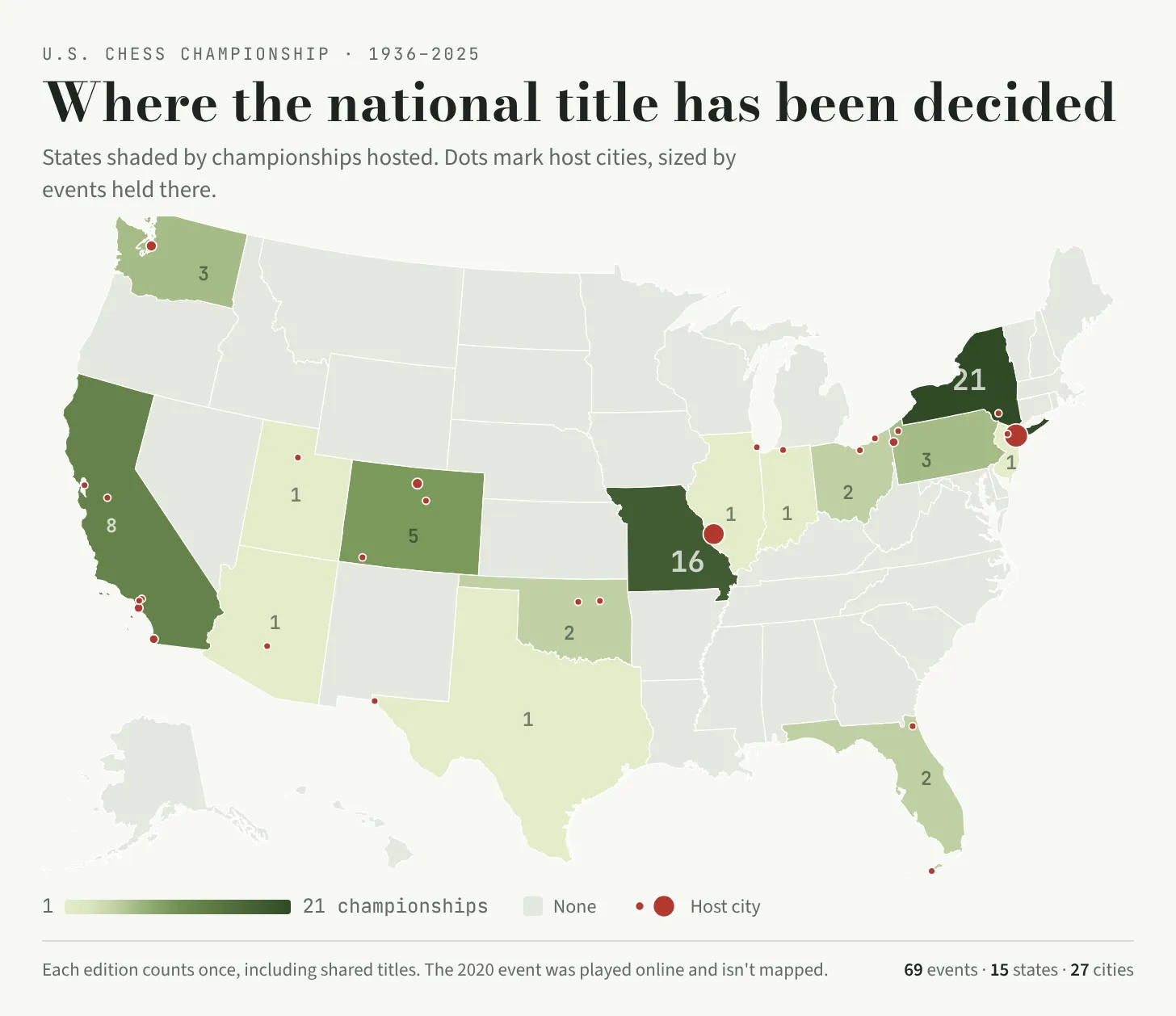
Saint Louis has hosted every U.S. Chess Championship since 2009, cementing itself as the nation's hub after New York dominated from 1936–1972 and the event traveled 24 cities across 15 states for three decades [Quelle: Saint Louis Chess Club]. The city's institutional backing from the Saint Louis Chess Club and World Chess Hall of Fame transformed what was once a nomadic title into a rooted tradition. Recent champions like Fabiano Caruana (four consecutive titles 2022–2025) and Hikaru Nakamura have built their legacies here. Stability breeds depth.

That consistency matters as the next generation fights for spots.

3.Bc4 Sicilian comeback

Chess theory just reversed its judgment on a forgotten move.

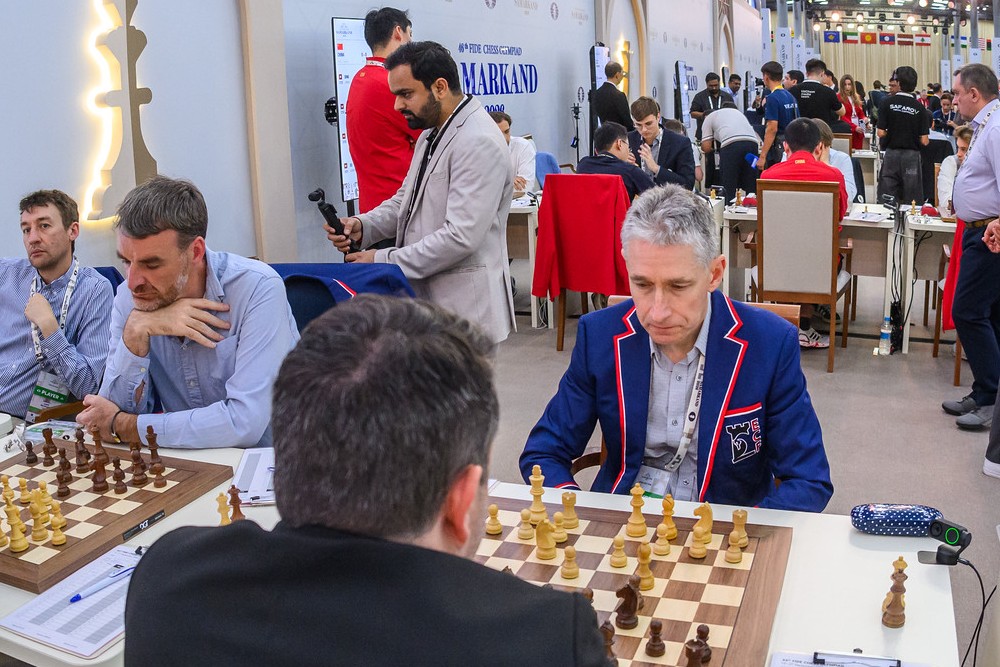
The 3.Bc4 setup against the Sicilian Defence has climbed from dismissal—theorists once compared it to an underarm serve in tennis—to a weapon top grandmasters trust in classical tournaments [Quelle: ChessBase]. Magnus Carlsen's repeated use in online blitz seeded the change, but Michael Adams's victory over Etienne Bacrot at the Samarkand Olympiad proved the opening carries sharp tactical resources. What internet play rehabilitates, classical chess validates. The shift shows how the hunt for novelty keeps old ideas alive.

Prepare your defenses accordingly.

School chess intensity peaks

Youth chess in Armenia hit a tactical fever last week.

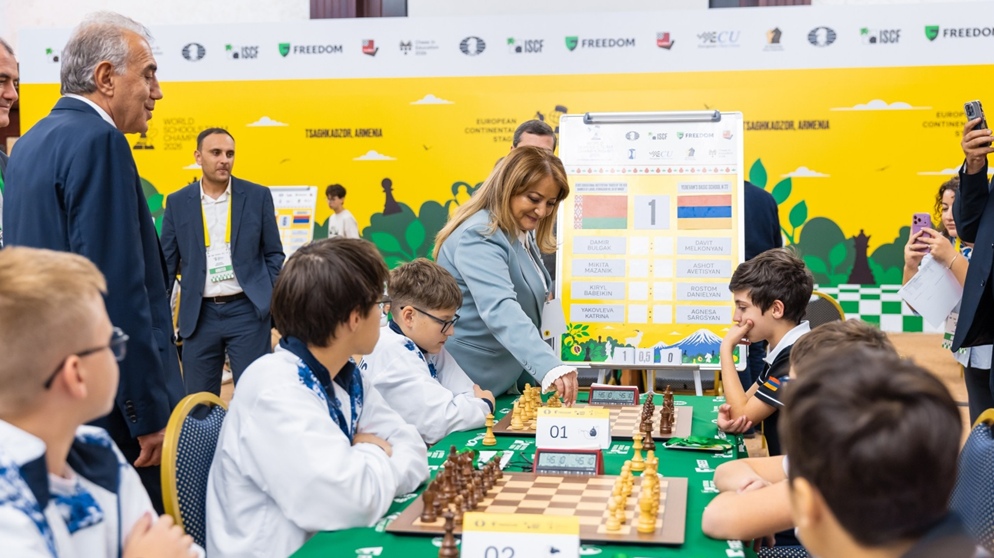
The FIDE World Schools Team Championship European stage reached day three in Tsaghkadzor with a strikingly low draw rate and razor-thin margins separating contenders [Quelle: FIDE]. Gymnasium No. 50 of Minsk leads at 12 points with two undefeated boards, while Riga State Gymnasium No. 1 shadows closely; a dozen schools remain mathematically alive for Grand Final qualification with two rounds left. Samvel Ter-Sahakyan's masterclass on youth psychology and Elina Danielian's girls' blitz event underscored how elite programs now marry tactical training with mental resilience. The compressed race reflects how deep the pipeline has become.

Watch which federation's infrastructure carries the day.
Sources
U.S. Chess Championship History: New York to St. Louis
8 hours ago ... ... analyze our traffic. By clicking ... This information is used to improve the user experience by providing more relevant search results in the future.
saintlouischessclub.org
AI Summary

The U.S. Chess Championship transitioned from a two-player match format to a multi-round tournament in 1936, establishing itself as one of the world's strongest national championships. The tournament's history divides into three distinct geographic eras: New York dominated from 1936–1972, hosting 20 of the first 21 editions where legendary players like Bobby Fischer (who achieved an unprecedented 11-0 perfect score in 1964) and Samuel Reshevsky claimed their titles. From 1973–2008, the championship traveled across 24 different cities in 15 states, expanding American chess access nationwide. Since 2009, St. Louis has become the permanent home, hosting every in-person championship and establishing itself as America's chess capital with institutional support from the Saint Louis Chess Club and the World Chess Hall of Fame. Recent champions include Fabiano Caruana, who won four consecutive titles from 2022–2025, and Hikaru Nakamura, who won multiple championships in St. Louis after his initial title in San Diego.

Visit source
Beating the Sicilian with 3.Bc4 - seriously? - ChessBase
11 hours ago ... ... chess theory. The Italian Game has now even overtaken the Spanish Opening as the most frequently played opening among top professionals after 1.e4 e5, and ...
en.chessbase.com
AI Summary

The 3.Bc4 move against the Sicilian Defence has evolved from a dismissively regarded amateur move to a legitimate weapon among top professionals. Once considered unsound and compared to an underarm serve in tennis, this opening setup was traditionally mocked by theorists. However, in recent years—driven partly by Magnus Carlsen's regular use of it in online blitz games—grandmasters have increasingly adopted 3.Bc4 in classical tournament play. A notable recent example occurred at the Chess Olympiad in Samarkand, where Michael Adams defeated Etienne Bacrot with this setup, demonstrating that White's position offers many tactically sharp possibilities despite the seemingly quiet early moves. The shift reflects how internet chess and the search for novelty among top players can rehabilitate previously dismissed opening ideas.

Visit source
WSTC Europe Day 3: Competitions, tactical masterclasses and high ...
14 hours ago ... ... score to 4.5/6. ... The evening concluded with rapid handshakes and shared analysis, highlighting the deep pool of local chess talent driving the sport forward.
fide.com
AI Summary

The FIDE ISCF World Schools Team Championship 2026 European Continental Stage reached its critical midpoint on day three in Tsaghkadzor, Armenia, with Rounds 5 and 6 delivering intense competition and a remarkably low draw rate. Gymnasium No. 50 of Minsk leads with 12 points, featuring perfect 6/6 records from Damir Bulgak on Board 1 and Katrina Yakovleva on Board 4, while Riga State Gymnasium No. 1 holds second place with Daniel Beniosev unbeaten at 5.5/6 on Board 2. Top individual performers include Tin Biti (5.5/6 on Board 1), Ioana-Cristiana Pomirleanu (5.5/6 on Board 4), and Platon Kiritshenko (5/6 on Board 3). Key games highlighted sharp tactical play, including Damir Bulgak's endgame advantage squandered by a blunder against Gabriel Gabadadze, and Troi Krasniqi's unexpected queen sacrifice against Ignacy Krol that shifted game dynamics despite both players trading subsequent errors. The tournament featured a FIDE-rated girls' blitz event for under-14 players organized with Armenian grandmaster Elina Danielian, and a masterclass with Samvel Ter-Sahakyan, Coach of Japan's national team, focusing on youth development and psychological resilience in elite competition. With two rounds remaining, nearly a dozen schools remain mathematically capable of reaching the podium in what has become an exceptionally compressed race for the Grand Final slots.

Visit source
Compiled overnight by MorningMail.aiDelivered at 10:18 PM