Agentic Coding
Top tech stories today across software, hardware, AI, and product launches. Senior engineer audience — skip rumour churn and pre-announcement leaks. Lead with shipping-now stories and what changed for builders.
← See today's latest152-tip index ships, 515 system prompts extracted, Agent Teams hit production
Best practices index
Your scattered Claude Code tips just got a searchable home.
A new curated index compiles 152 best practices with filtering by topic—covering plan mode, context hygiene, subagent patterns, and the 40% rule you've been tracking [Source: AwesomeClaude]. The guidance confirms keeping CLAUDE.md under 200 lines, splitting overflow into .claude/rules/, and using double-Esc rewind instead of accumulating failed attempts. Subagents should return conclusions only—never raw file reads.
Bookmark this before your next refactor sprint.
System prompts revealed
Claude Code v2.1.177 just exposed its full playbook.
An updated extraction repo now contains 515 system prompts—up from the 350 covered in last week's issue—including dream consolidation for memory pruning, five-angle code review with effort levels, and coordinator-mode orchestration instructions [Source: GitHub]. You'll find subagent tool permissions, memory merging passes, and the exact prompts behind slash commands like /code-review. This is how Anthropic structures context flow internally.
Mirror these patterns in your own CLAUDE.md.
Agent Teams workflow
Multi-agent coordination just moved from experiment to production pattern.
Agent Teams now give each agent its own context window with task dependency tracking and direct inter-agent messaging—built for complex refactoring where a single session would choke [Source: Morph]. The hybrid workflow emerging among solo founders: prototype with Codex for speed, then review and refactor with Claude Code for consistency. Use /goal commands for persistent multi-day work with completion conditions, and /ultrareview for parallel code review across agents.
The cost tradeoff is real—Claude burns 4x the tokens—but determinism pays off.
Ultimate guide drops
Someone finally mapped Claude Code from beginner to power user.
A new GitHub guide ships 181 annotated templates, 23 custom agent personas including a code-reviewer agent, and 48 Mermaid diagrams covering the 4-layer context model [Source: GitHub]. You get decision frameworks for when to reach for agents versus skills versus commands, plus real metrics—Fountain sees 50% faster runs, CRED hits 2x speed. An MCP server lets you query the guide directly from Claude Code sessions.
The 271 quiz questions alone are worth the clone.
 Claude Code Best Practices — 80+ Expert Tips, Workflows ...17 hours ago ... ... cross-model setups — CLAUDE.md, context management, subagents, skills, hooks, plan mode and more, from Boris Cherny, Thariq, Dex and the Claude Code community.awesomeclaude.ai
 FlorianBruniaux/claude-code-ultimate-guide - GitHub24 hours ago ... Architecture — Internal mechanics (context flow, tool orchestration, memory management); Trade-offs — Decision frameworks for agents vs skills vs commands ...github.com
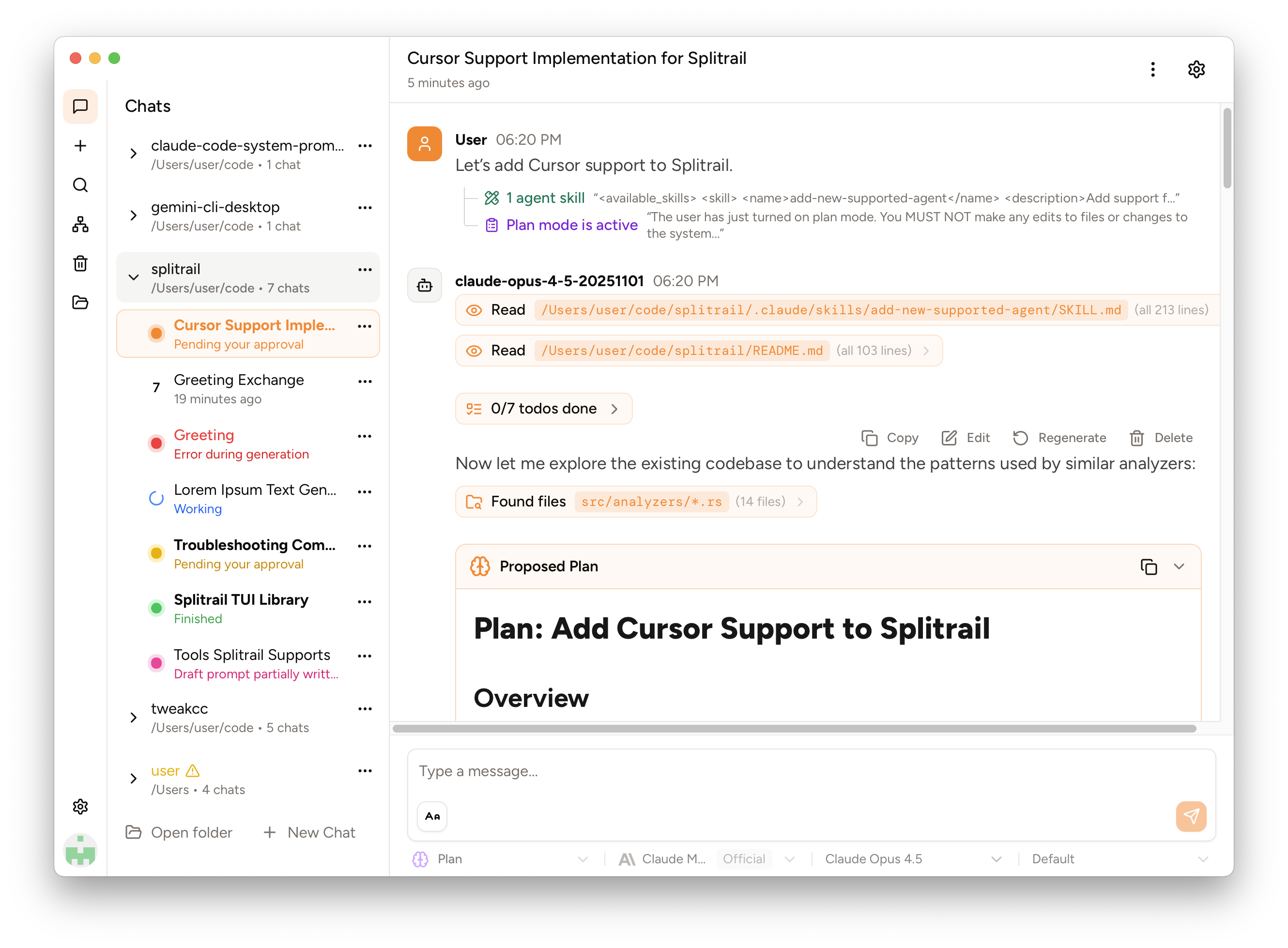 Piebald-AI/claude-code-system-prompts - GitHub16 hours ago ... ... management, and skills API for building specialized agents. Data: Managed ... System Prompt: Insights interaction style (119 tks) - Analyzes Claude Code usage ...github.com
 Codex vs Claude Code: Subagents, Benchmarks & the Real ... - Morph23 hours ago ... Claude Opus 4.7. Raw context window, 200K tokens, 1M tokens. Memory management, Diff-based forgetting + Memories MCP, Automatic compaction + auto-memory. Large ...morphllm.com