Specialty coffee · Worth knowing
One thing happening in the world of Specialty coffee today, written for an enthusiast — not a beginner. Skip celebrity gossip. Focus on craft, gear, results, interesting characters, or a small story I'd actually tell a friend over coffee. Quality over quantity.
Fermentation methods dominate; decaf precision arrives
Processing Methods Reshape the Cup
Processing now trumps origin as the primary flavor lever.
This week's roaster highlights from Sprudge showcase the breadth: natural-processed Ethiopian cherries from Guji delivering fruity complexity through careful drying; washed Agaro Yukro emphasizing floral clarity; Indonesian Java Garut using natural processing to coax passion fruit and kiwi notes that wouldn't surface under washed protocols. Verve's decaf applies sugarcane processing to retain aromatic sweetness, while Kenyan lots layer fermentation and raised-bed drying for added sophistication. The pattern across Sprudge's partners suggests roasters are no longer treating processing as a binary choice—they're treating it as precision engineering.
Watch specialty roasters now curate by method, not just origin.
Decaf Earns Its Own Craft Lane
Specialty decaf stops being an afterthought.
September Coffee's fifth-harvest partnership with producer Wilton Benitez demonstrates what precision decaf looks like: Pink Bourbon from Colombia undergoes sugarcane decaffeination paired with controlled fermentation using Saccharomyces pastorianus yeast, manual sorting, ozone and UV sterilization, and multi-stage fermentation to build delicate floral notes and confectionary sweetness [Quelle: September Coffee]. This mirrors the UV-water-wash decaf from Ethiopia we covered recently—proof that roasters now demand decaf sourced and processed with the same rigor as caffeinated lots. Flavor parity with caffeinated offerings is no longer aspirational; it's table stakes.
Decaf premiums will stabilize once craft roasters standardize on these methods.
Small-Café Espresso Machine Fit
The right machine is never the biggest or priciest.
Bean and Brew Tech maps group count, boiler type, volumetric dosing, and steam recovery against actual café volume and space constraints, positioning Italian value picks like Astoria and Wega against premium tier La Marzocco. The frame mirrors third-wave craft logic: consistency, quality, and craftsmanship trump raw horsepower. Grinder quality emerges as equally critical—it controls particle size and dose, the primary extraction variables, and water treatment protects equipment longevity. For small-shop operators, this means matching machine capacity to peak demand, not fantasy volume.
The calculus shifts when roasting precision meets café consistency at smaller scale.
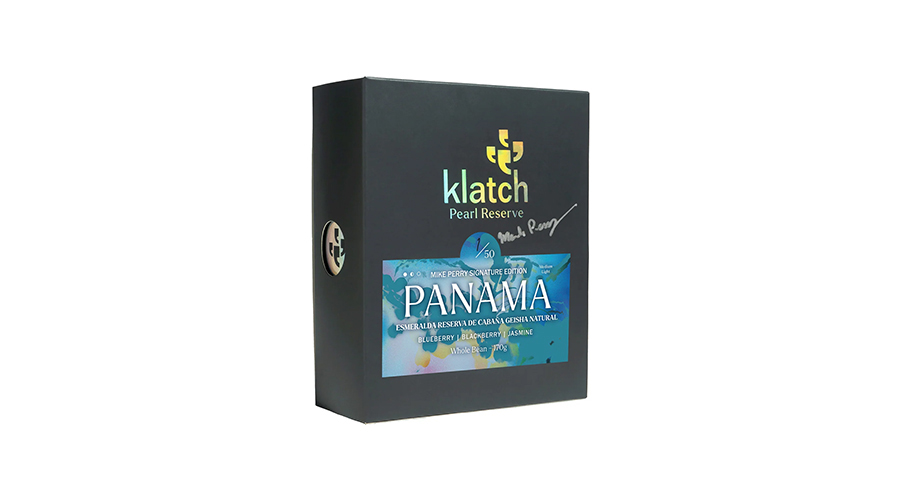 Perk & Recs: A Curated Selection Of Coffees From The Sprudge ...10 hours ago ... ... coffee processing. ↑ TOP. Partners Coffee: Kenya – Rianjagi AA ... quality from Quindío, the heart of Colombian coffee innovation. 10% of sales ...sprudge.com
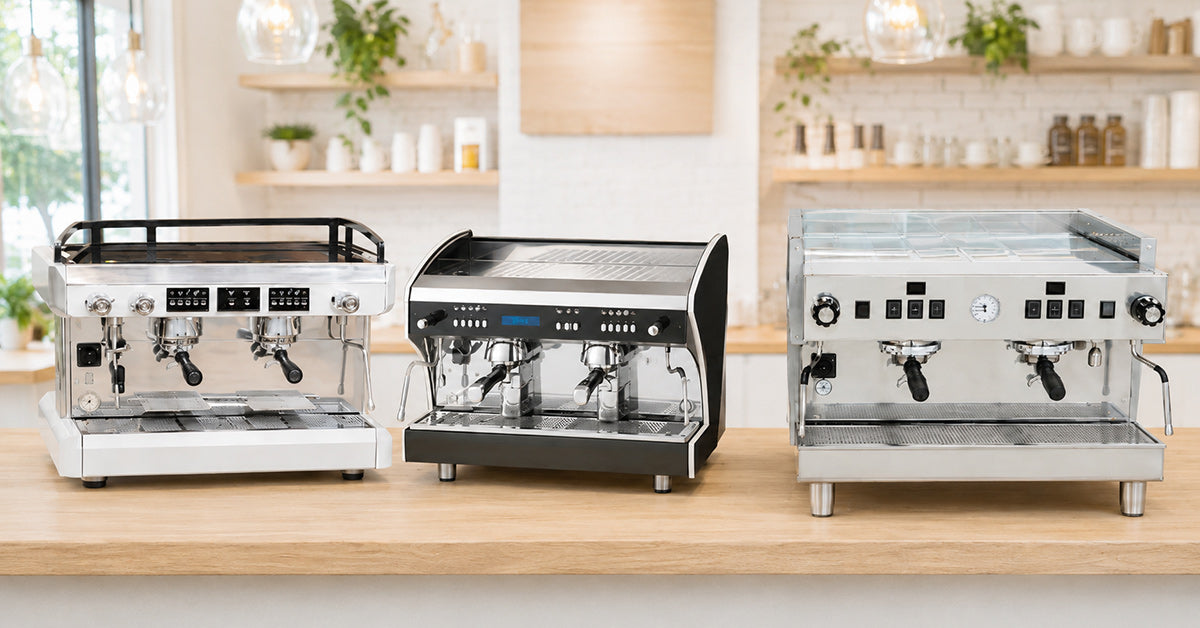 Best Commercial Espresso Machines for Small Coffee Shops3 hours ago ... It is superbly built, and it set the standard for third-wave cafes. ... Equipment guides, brewing tips, business strategies, and industry trends to help your ...beanandbrewtech.com
 Neon Sorbet - September Coffee14 hours ago ... ... coffee. Paraiso 92 has a processing plant, microbiology lab and quality lab. They are able to produce coffees through different processes such as washed ...september.coffee